
WELCOME!
Unlocking the Secrets of Chinese Instruments (For Beginners & Beyond)
Welcome to the Eason Music blog, your gateway to the captivating world of Chinese musical instruments. From the enchanting melodies of the yangqin to the haunting tones of the erhu, join us as we share tips, tricks, and insights to enhance your journey into the realm of Chinese music. Whether you're a seasoned player or a curious beginner, uncover the secrets, techniques, and stories behind these timeless instruments with us. Welcome to the harmony of Eason Music.
About Us
At Eason Music, we are dedicated to preserving and promoting the rich heritage of Chinese music. Since our establishment in 1978, we have been committed to providing top-quality instruments, expert instruction, and a vibrant community for enthusiasts of all levels. Our passion for Chinese musical traditions drives us to offer a diverse range of services, including lessons, performances, and instrument sales. With a team of experienced teachers and musicians, we strive to inspire and empower our students to explore the beauty and depth of Chinese music. Join us at Eason Music as we continue to celebrate and share the timeless artistry of Chinese musical instruments.

Discover the latest in...
Erhu, Gaohu, Zhonghu
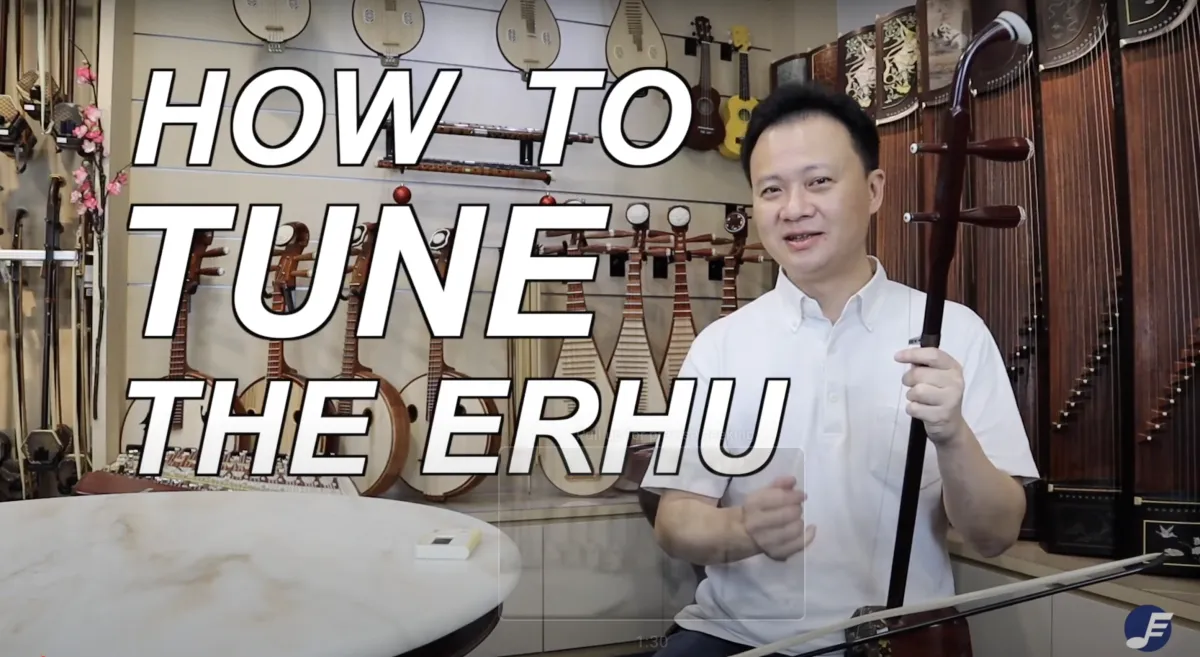
How to tune your Erhu
A Comprehensive Guide on Tuning Your Erhu
The Erhu is a captivating two-stringed Chinese fiddle that produces a sound that is both beautiful and unique. Mastering this instrument requires dedication and practice, and proper tuning is an essential skill for any Erhu player. This blog post delves deeper into the process of tuning an Erhu, providing valuable insights and practical tips beyond the basics.
Understanding the Strings and Tuning Pitches
The Erhu's two strings are typically made of steel or nylon wound with steel core. The inner string, which is closer to the player's body, is tuned to D (442 Hz). The outer string, further away from the body, is tuned to A (442 Hz). It's important to remember that these are the standard tuning pitches for Chinese orchestras, and adjustments might be necessary depending on various factors we'll discuss later.
The Tuning Process: A Step-by-Step Guide
Equipping Yourself: Before embarking on the tuning journey, ensure you have a reliable tuner. Electronic tuners are widely available and provide an accurate visual representation of the pitch. If you don't have a dedicated tuner, fret not! Many smartphone apps can effectively serve this purpose.
Tuning the Outer String:
Gently bow the outer string and observe the tuner's reading.
If the pitch is below A (442 Hz), tighten the string by turning the tuning peg clockwise. The tuning peg is the knob at the end of the string, near the instrument's headstock.
As you tighten the string, bow it at the same time and watch the meter of the tuner move. This will help you discern the pitch changes more precisely.
Continue tightening (or loosening) the string gradually while monitoring the tuner and bowing until the tuner needle reaches the center, indicating an A (442 Hz).
Tuning the Inner String:
Following the same approach, bow the inner string and check the tuner's reading.
If the pitch deviates from D (442 Hz), adjust the tuning peg accordingly. Remember to push the peg inwards while turning to prevent the string from unraveling.
It's crucial to recheck the outer string's tuning after adjusting the inner string, as the tension adjustments can sometimes affect both strings.
Additional Tips for Effective Tuning
Maintain gentle yet firm pressure while turning the tuning pegs. Avoid applying excessive force, as it can damage the instrument or cause the pegs to be stuck.
Fine-tune gradually by making small adjustments to the pegs. Remember, even minor adjustments can significantly alter the pitch. This will also prevent over tightening the strings and breaking them in the process.
Practice regularly to develop your ear for discerning pitch variations. Over time, you'll be able to tune the Erhu more accurately and efficiently, even without relying solely on a tuner.
Beyond the Basics: Exploring Alternative Tuning Options
While the standard tuning for an Erhu in a Chinese orchestra is 442 Hz, the instrument exhibits versatility in its tuning capabilities. Here are some factors that might influence your choice of tuning:
Playing with other instruments: If you're collaborating with musicians playing instruments tuned to 440 Hz or 438 Hz, you might consider adjusting your Erhu's tuning accordingly to ensure harmonious ensemble playing. This is especially so when you are playing with western instruments, which are usually tuned to 440 Hz or lower.
Musical context and desired effect: The piece you're performing or the specific musical effect you're aiming to achieve might call for a slightly different tuning. For example you can tune your Erhu to C and G instead of D and A for a mellower tone. But try not to go any lower than that. If any lower the tension of the strings will be too low and when you push and pull your bow the pitch will be very wobbly.
Conclusion
Remember, mastering the Erhu is a journey of continuous learning and exploration. By diligently practicing proper tuning techniques and embracing the versatility of the instrument, you'll be well on your way to unlocking the Erhu's full potential and expressing yourself through its captivating melodies.
Click here for our selection of Erhu strings!
Hashtags: #erhu #erhuist #erhumusic #chinesefiddle #twostringedviolin #chineseinstrument #traditionalmusic #erhutuning #howtotuneerhu #erhucare #erhulesson #musictheory #beginnermusician #tuninginstrucment #chineseculture #asianmusic #worldmusic #instrumentalmusic #acousticmusic
Watch our instructional video here!

OUR SERVICES
With 40 Years of Experience
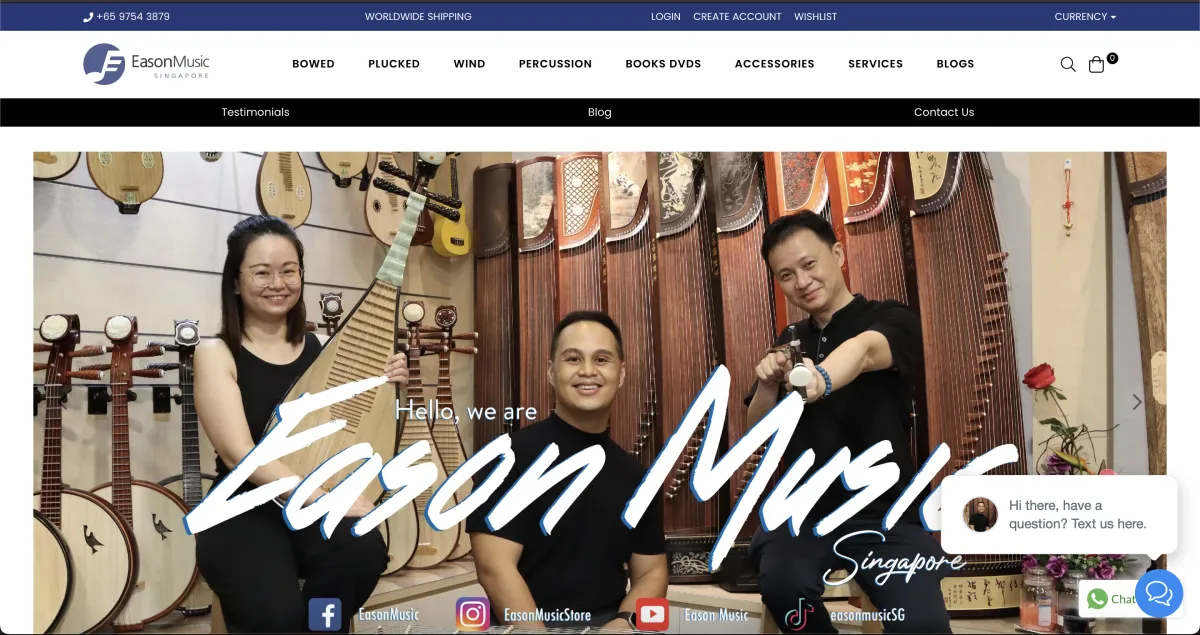
Chinese Music Instruments Webstore
Welcome to Eason Music Store! Your premier destination for Chinese musical instruments. Discover a wide selection, expert service, and additional offerings like music lessons and instrument repair. Shop now and experience the best in Chinese musical culture.
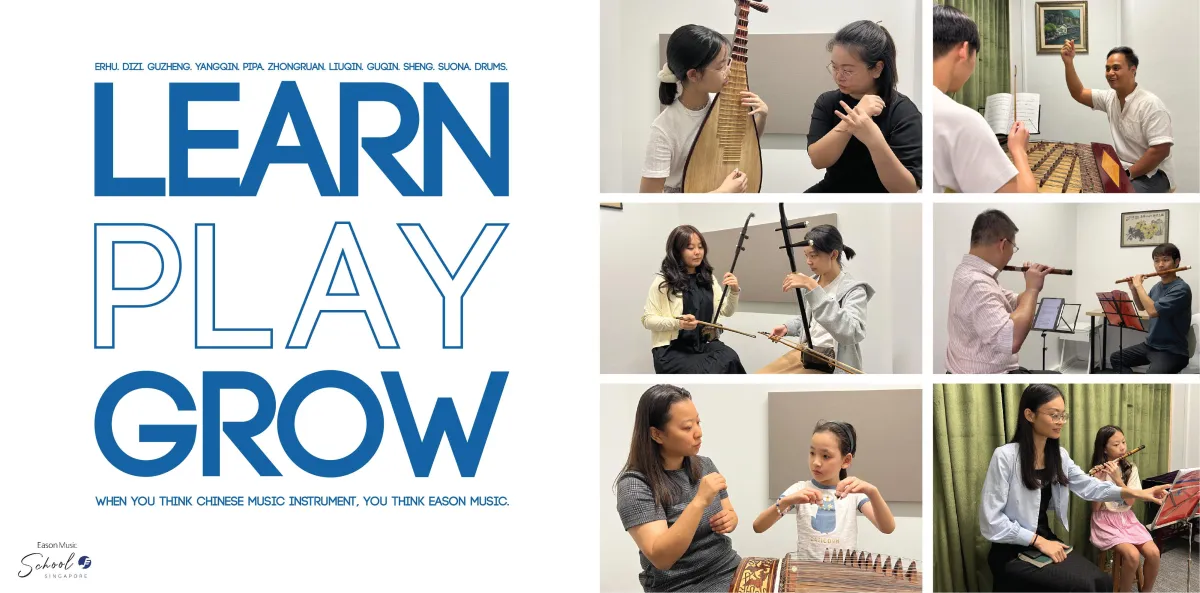
Chinese Music Instruments Lessons
Discover the joy of Chinese music with Eason Music School's expert lessons. Since 1978, we've been teaching a wide range of instruments, from the yangqin to the erhu. Led by experienced instructors, our tailored lessons cater to all skill levels. Join us and unlock your musical potential today.
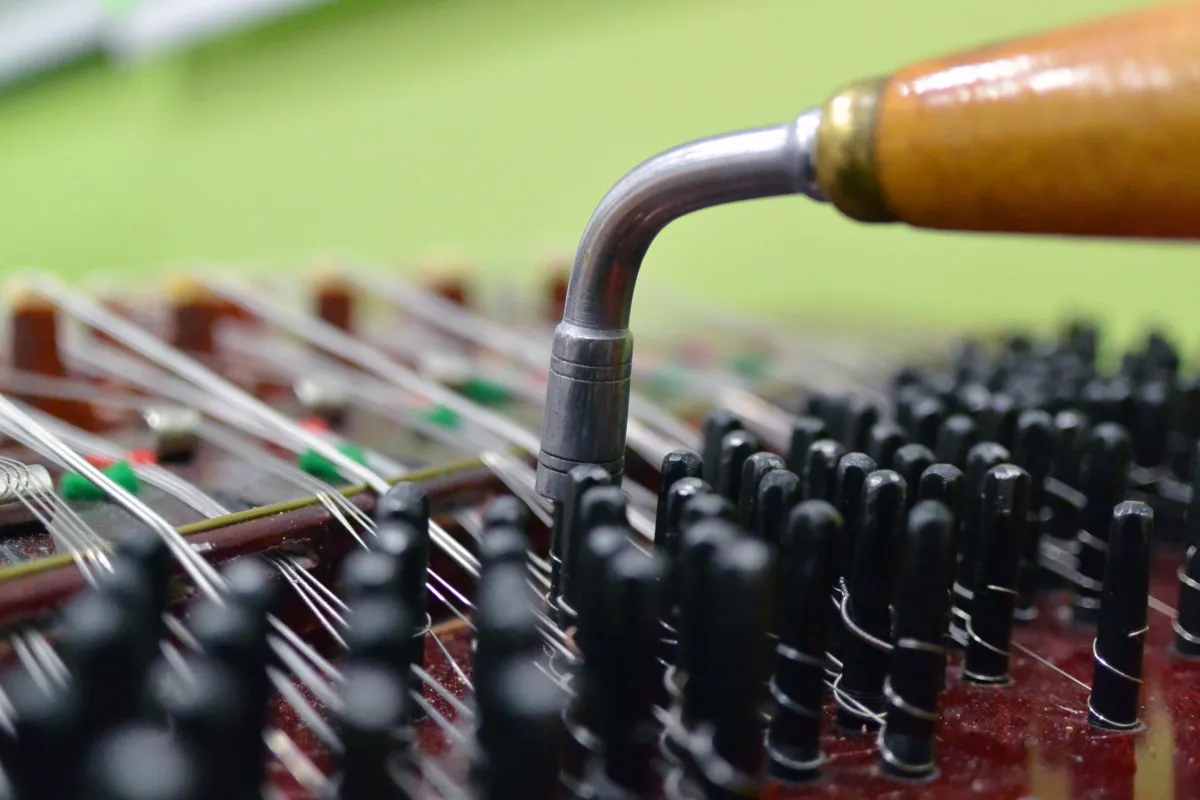
Repairs and Restore
Chinese traditional instruments are often made from natural materials like wood and bamboo, making them prone to damage. We have skilled craftsmen available to address various instrument repair needs such as broken heads, cracked bodies, missing parts, restringing, fret buzzing, tuning, and refretting.
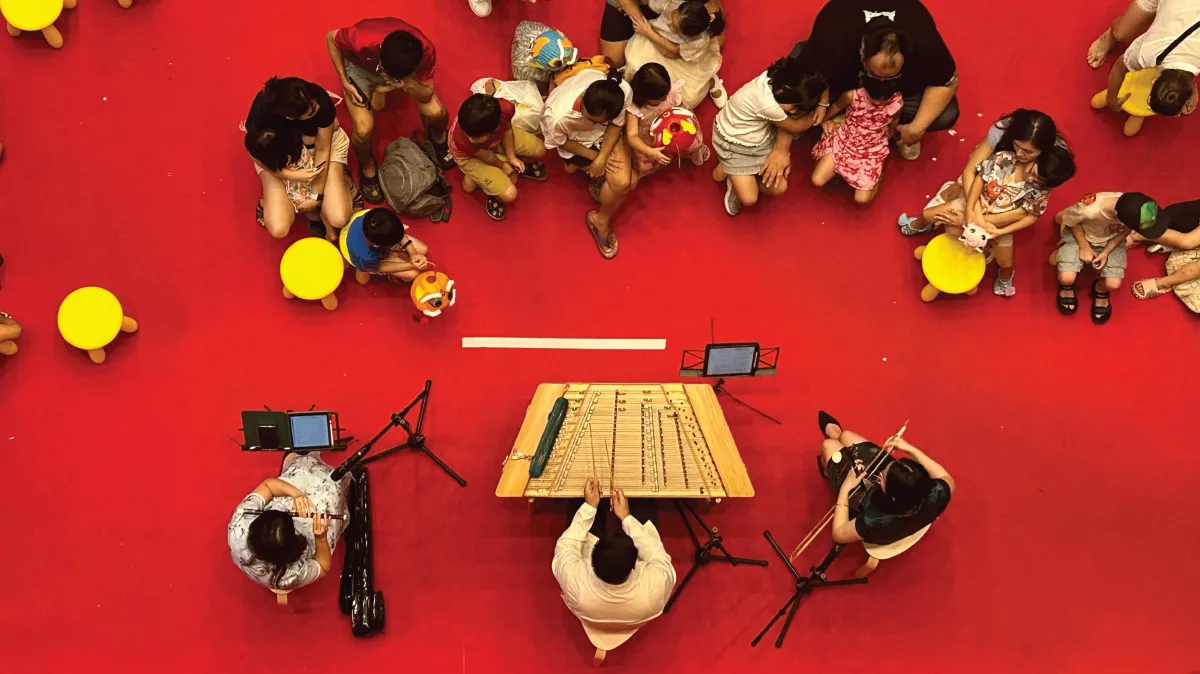
Ensemble Musicians for Events
Welcome to Eason Music School's Chinese Music Performances! Experience the richness of Chinese music with our talented ensemble. From weddings to corporate events, our versatile musicians guarantee unforgettable performances. Trusted for over 40 years, let us elevate your next event with captivating melodies and harmonies.
Professional Team
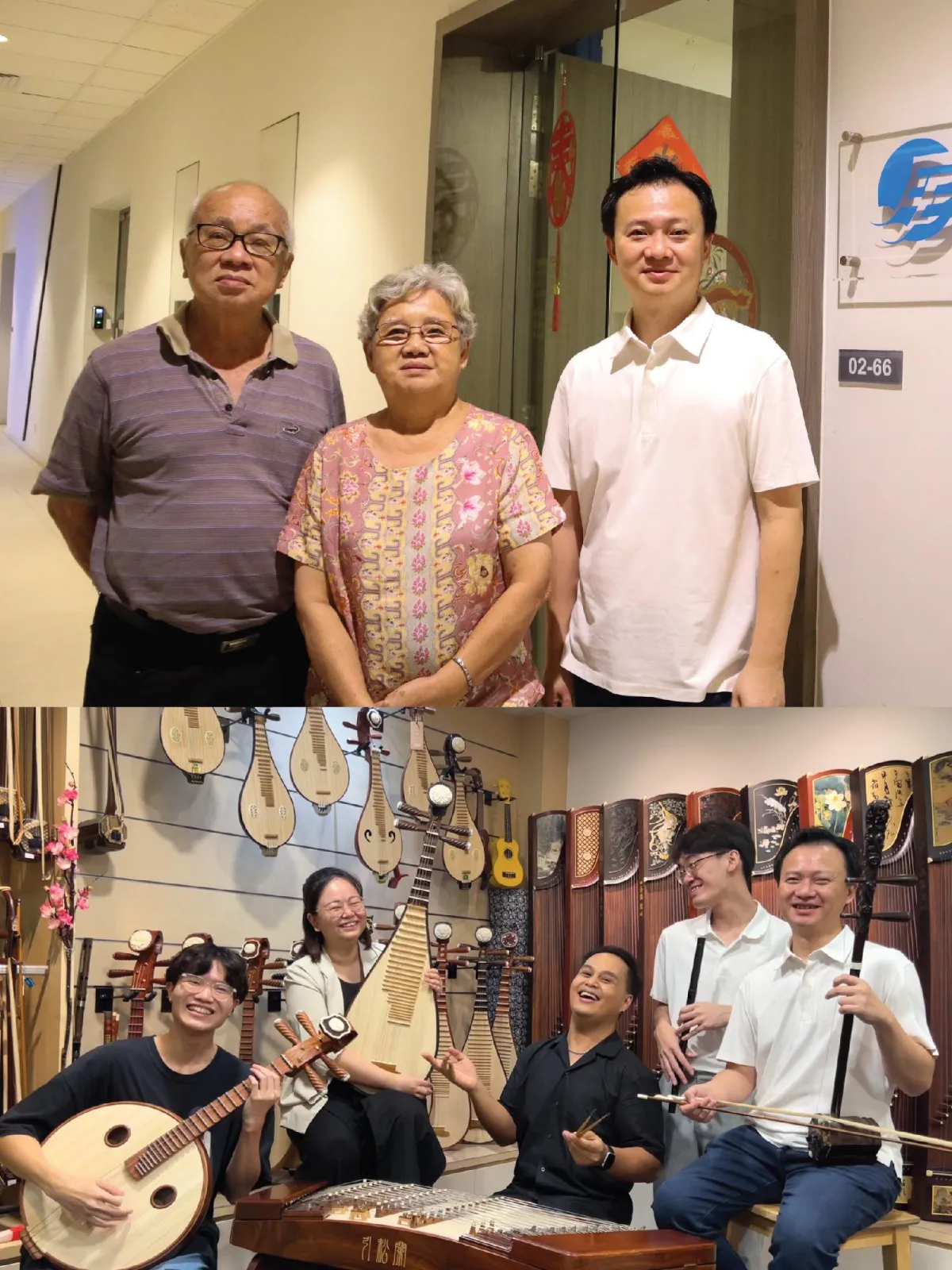
The team at Eason Music School comprises dedicated individuals with diverse talents and expertise. From skilled musicians specializing in traditional Chinese instruments like Erhu, Yangqin, and Pipa, to professionals adept in web design, marketing, administration, and logistics, our team members bring a unique blend of creativity, passion, and experience to the table.
Founded in 1978 by Tan Chin Siong, our company is driven by a commitment to excellence and a love for Chinese traditional music instruments and education.
FAQS
How Can I Contribute a Travel Story to Your Website?
We welcome contributions from fellow adventurers! To share your travel story with us, please navigate to the "Submit Your Story" section on our website. There, you'll find detailed guidelines on how to submit your article, along with our preferred content format. We're excited to hear about your adventures and share them with our community of travelers.
How Do You Ensure the Accuracy of Your Travel Guides?
Accuracy is paramount to us. Our team of experienced writers and researchers conducts thorough research and fact-checking for every travel guide we publish. We also regularly update our content to reflect changing conditions and recommendations. However, please note that travel information can change, so it's always a good idea to verify details with local sources before your trip.
Do You Offer Personalized Travel Planning Services?
Currently, we don't provide personalized travel planning services. Our focus is on creating comprehensive travel guides, inspiring stories, and useful tips to help you plan your own adventures. However, our website is packed with resources to assist you in crafting the perfect itinerary for your trip, from destination recommendations to packing guides and more. If you have specific questions or need advice, feel free to reach out through our community forum; our fellow travelers are always eager to help!
OUR TESTIMONIALS
Client's Feedbacks
Discovering [Your Travel Blogger Website] was a game-changer for my wanderlust-filled soul. Their articles aren't just travel guides; they're immersive journeys that ignite your sense of adventure.
OUR TESTIMONIALS
Client's Feedbacks
As a frequent traveler, I rely on [Your Travel Blogger Website] for inspiration and practical advice. What sets them apart is their genuine passion for cultural immersion and responsible travel.

Get In Touch