
Discover the latest in...
Erhu, Gaohu, Zhonghu
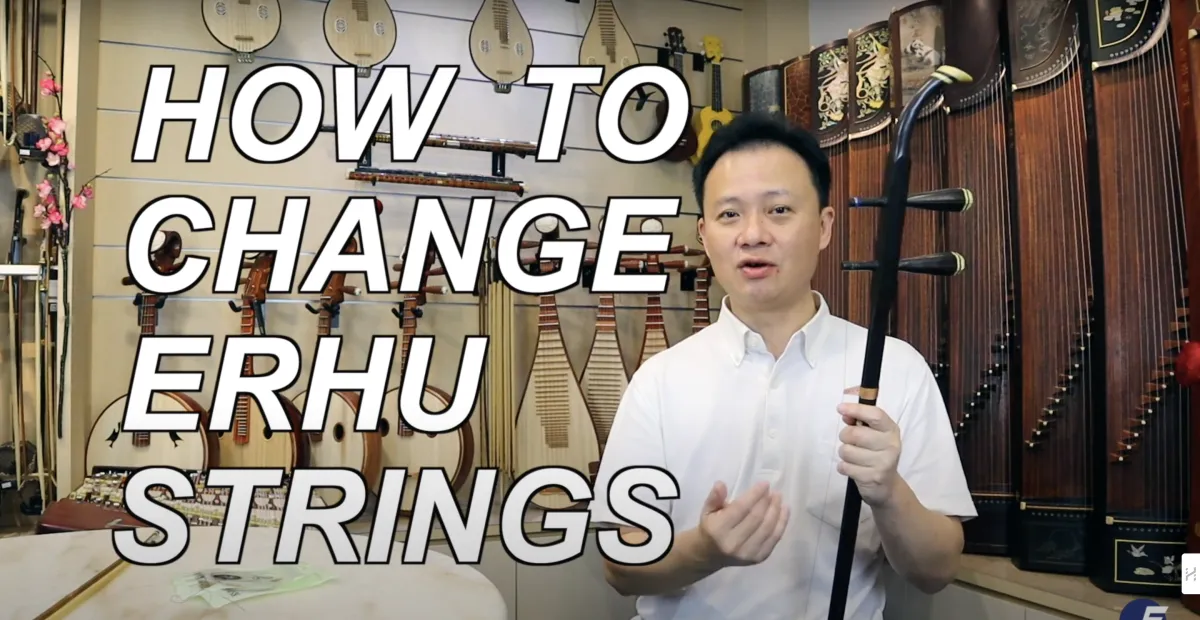
How to change strings on your Erhu
Mastering String Replacement: A Comprehensive Guide for Erhus with Friction Pegs
Are you an Erhu enthusiast looking to maintain your Erhu's optimal tone? Whether you're a seasoned player or a beginner, knowing how to change your Erhu strings is a fundamental skill. In this blog post, we'll delve into the intricacies of string replacement, specifically tailored for those with friction pegs on their Erhu. Let's explore the step-by-step process and essential tips to ensure a smooth and successful string replacement experience.
Is this for you?
Before we dive into the nitty-gritty details, it's crucial to understand if this is for you. This tutorial is designed for individuals who own Erhus equipped with friction pegs, as opposed to bronze tuners. Friction pegs require a slightly different approach when it comes to string replacement, and mastering this skill can maintain and enhance the sound quality of your Erhu.
The Purpose of String Replacement
The primary objective of changing strings is to maintain the integrity and playability of your Erhu. Over time, strings can deteriorate due to factors such as wear, rust, or breakage. By replacing them periodically, you can ensure optimal tone quality, intonation, and overall performance. Additionally, fresh strings can inspire creativity and enhance your playing experience.
Process Overview
1. Outer String Replacement
Begin by unwinding the old outer string. Keep the inner string on so that the Qianjin does not unravel.
Open a new pack of strings and unwind the new string.
Hook the string loop at the pin at the baseplate.
Place the Erhu between your thighs to prevent the string from slipping out of the pin.
Guide the string through the Qianjin and insert the string into the tuning peg opening
Turn the pegs in a clockwise direction to tighten the string
Hold on to the string with the other hand to prevent the string from slipping
Take note the peg for the outer string the lower one
2. Inner String Replacement
Follow similar steps as with the outer string, but focus on the inner string.
Be mindful of avoiding overlap between strings if not it will be unplayable.
Insert the inner string and turn the peg counterclockwise to tighten.
Take note the peg for the inner string is the higher one.
3. Final Step: Tuning
Once all strings are replaced, it's time to tune your instrument to the desired pitch.
Use a tuner or tuning fork to ensure accurate tuning, adjusting as needed.
Additional Tips for Success
Keep the strings bunched up together near the end of the peg to minimize slack and maintain tension.
Experiment with different string brands and gauges to find the perfect tone for your instrument and playing style.
Conclusion
Mastering the art of string replacement is an essential skill for any musician. By following the detailed steps outlined in this guide and incorporating additional tips, you can ensure a hassle-free and rewarding experience. Remember, proper maintenance and care are key to unlocking the full potential of your instrument. So grab your strings, replace those dead strings on your Erhu, and let your music soar!
Click here for our selection of Erhu strings!
Hashtags
#StringReplacement #MusicMaintenance #FrictionPegs #InstrumentCare #MusiciansGuide #MusicTips #Violinists #StringPlayers #MusicianLife #Erhu #ErhuTips #ErhuCare #Erhumaintenace
View our video on how to change Erhu strings!

Unlocking the Secrets of Chinese Instruments (For Beginners & Beyond)
Welcome to the Eason Music blog & podcast, your gateway to the captivating world of Chinese musical instruments. From the enchanting melodies of the yangqin to the haunting tones of the erhu, join us as we share tips, tricks, and insights to enhance your journey into the realm of Chinese music. Whether you're a seasoned player or a curious beginner, uncover the secrets, techniques, and stories behind these timeless instruments with us. Welcome to the harmony of Eason Music.
